
The Rise of Ergonomic Seating Options: Boosting Employee Comfort and Productivity
Introduction to Ergonomic Seating Options
In today’s fast-paced business landscape, prioritizing employee well-being has become essential for organizations aiming for success. Ergonomic seating options are specifically designed furniture that fosters good posture and comfort, minimizing the risk of strain and injury. As businesses increasingly recognize the significance of employee comfort, the demand for ergonomic solutions has soared, leading to a transformative shift in commercial furniture solutions. By investing in ergonomic seating, companies not only enhance employee satisfaction but also contribute to a healthier and more productive workplace.
Benefits of Ergonomic Seating Options
The benefits of ergonomic seating extend far beyond mere comfort.
- Health Benefits: Ergonomically designed chairs support the natural curvature of the spine, alleviating back pain and reducing the risk of musculoskeletal disorders. From my experience, employees who use ergonomic seating report fewer health issues, which can lead to decreased absenteeism and lower healthcare costs for employers.
- Productivity Improvements: Comfortable employees tend to be more focused and engaged. Studies indicate that ergonomic seating can significantly boost productivity levels, as workers are less distracted by discomfort and fatigue. This increase in efficiency can directly impact the bottom line, something every business leader should consider.
- Long-term Cost Savings: Although the initial investment in ergonomic seating might be higher than traditional options, the long-term savings can be considerable. Reduced healthcare costs, lower absenteeism, and enhanced productivity contribute to a favorable return on investment. I believe that companies that prioritize employee comfort often see a positive effect on their overall performance.
Types of Ergonomic Seating Options
Understanding the various types of ergonomic seating options is crucial when making a selection:
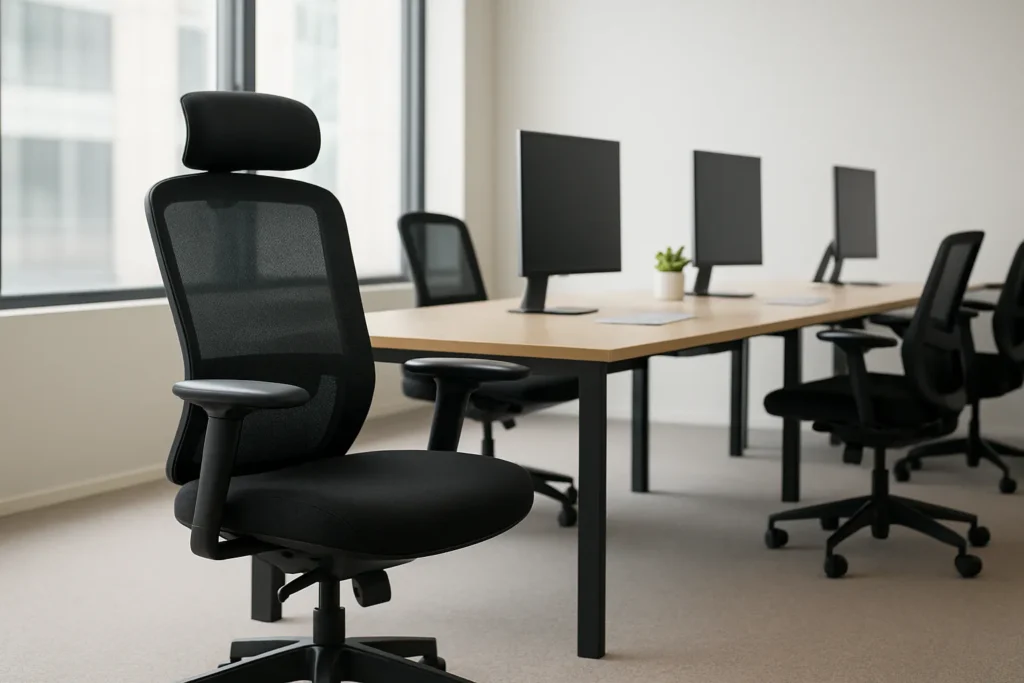
- Task Chairs: Designed for flexibility and mobility, task chairs are ideal for workstations where employees frequently switch tasks. They typically feature adjustable height, lumbar support, and armrests to accommodate diverse user preferences.
- Executive Chairs: More luxurious and often used in managerial roles, executive chairs blend style with comfort. These chairs usually offer advanced ergonomic features, such as deeper cushions, adjustable reclining angles, and premium materials, making them suitable for extended use.
- Sit-Stand Solutions: These innovative seating options enable employees to alternate between sitting and standing throughout the day. Pairing sit-stand desks with ergonomic seating can enhance comfort and encourage better posture, catering to various working styles.
Comparing Ergonomic Seating Options
Selecting the right ergonomic seating option requires careful consideration of various factors:
- Features to Consider: Look for adjustable features such as seat height, backrest angle, and lumbar support. The chair should be customizable to fit the individual needs of each employee.
- Price vs. Quality: While budget constraints are a reality for many businesses, it is crucial to balance cost with quality. Cheaper options may save money upfront but could lead to higher costs in terms of health issues and replacements.
- Brand Comparisons: Research reputable brands known for their ergonomic seating solutions. Reading reviews and comparing warranty policies can facilitate an informed decision.
Sourcing Ergonomic Seating for Your Business
Finding reliable suppliers of ergonomic seating is vital for ensuring quality and service:
- Finding Reliable Suppliers: Start by researching suppliers who specialize in commercial furniture solutions. Look for companies with a solid reputation and positive customer feedback.
- Evaluating Commercial Furniture Solutions: Assess the range of products offered by suppliers. A good supplier should provide a variety of ergonomic seating options to meet different needs and preferences.
- Customization Options: Many suppliers offer customization to fit unique workplace requirements, including fabric choices, colors, and additional features tailored to specific employee needs.
Implementing Ergonomic Seating in the Workplace
Once you’ve sourced the right ergonomic seating options, effective implementation is crucial:
- Assessing Workplace Needs: Conduct an assessment of your workplace to determine the specific needs of your employees. Consider factors such as the nature of their work, the length of sitting, and individual preferences.
- Training Employees on Usage: Proper training on adjusting and using ergonomic seating is essential. Employees should know how to customize their chairs for optimal comfort and support.
- Monitoring and Feedback: After implementation, gather feedback from employees regarding their comfort and productivity levels. Regularly monitor the effectiveness of the ergonomic seating solutions and make adjustments as necessary.
Frequently Asked Questions
- What is the ROI of Ergonomic Seating?: The return on investment for ergonomic seating can be substantial, with many companies reporting reduced healthcare costs, lower absenteeism, and increased productivity.
- How to Choose the Right Ergonomic Chair?: Consider factors such as adjustability, support features, and personal preferences. In my view, involving employees in the selection process is crucial to ensure their needs are met.
- Are Ergonomic Chairs Suitable for All Body Types?: While ergonomic chairs are designed to accommodate a range of body types, it is vital to choose models that offer adjustable features to suit individual users effectively.
Conclusion
The rise of ergonomic seating options signals a significant shift in how businesses approach employee comfort and productivity. By understanding the benefits, types, and implementation strategies of ergonomic seating, companies can create a healthier work environment that supports their employees’ well-being. Investing in commercial furniture solutions that prioritize ergonomics is not just a trend; it’s a strategic move towards fostering a more engaged and productive workforce. For more information on ergonomic seating options, refer to this industry reference from AZoM.